
Complex relationship between two women illuminated in short film ‘As ek kon kies’
It is easy to say that a person has a choice, but in reality it is not that simple. Besides the role that life and society play, you cannot always fully predict the extent of the consequences of your choices.
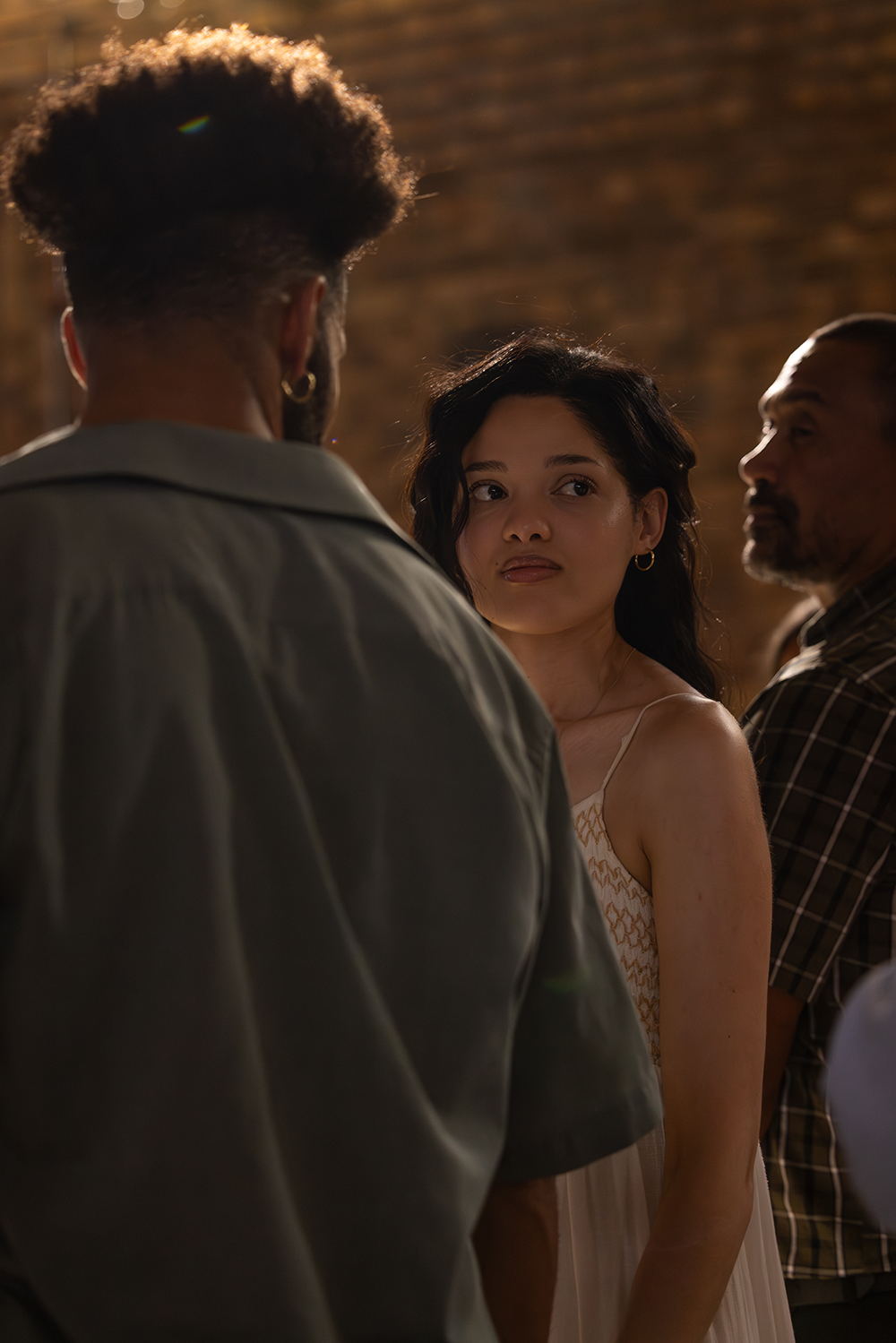
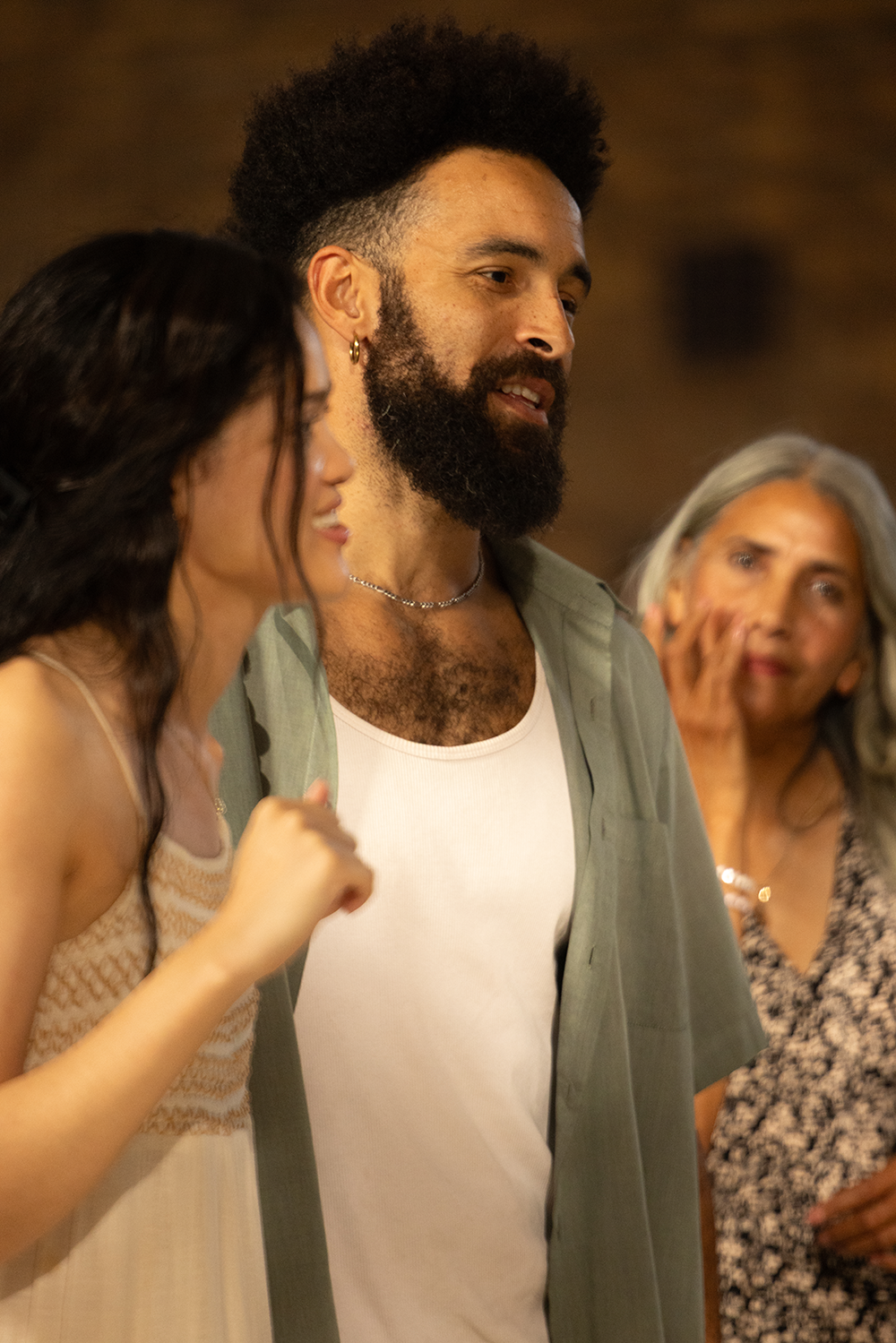
During a church service, the engagement of a young woman, Kyleigh (Beáta Bena), to a young man, Jayden, is celebrated. With this public gesture, Kyleigh confirms the life she has chosen for herself – one of faith, community, and family.
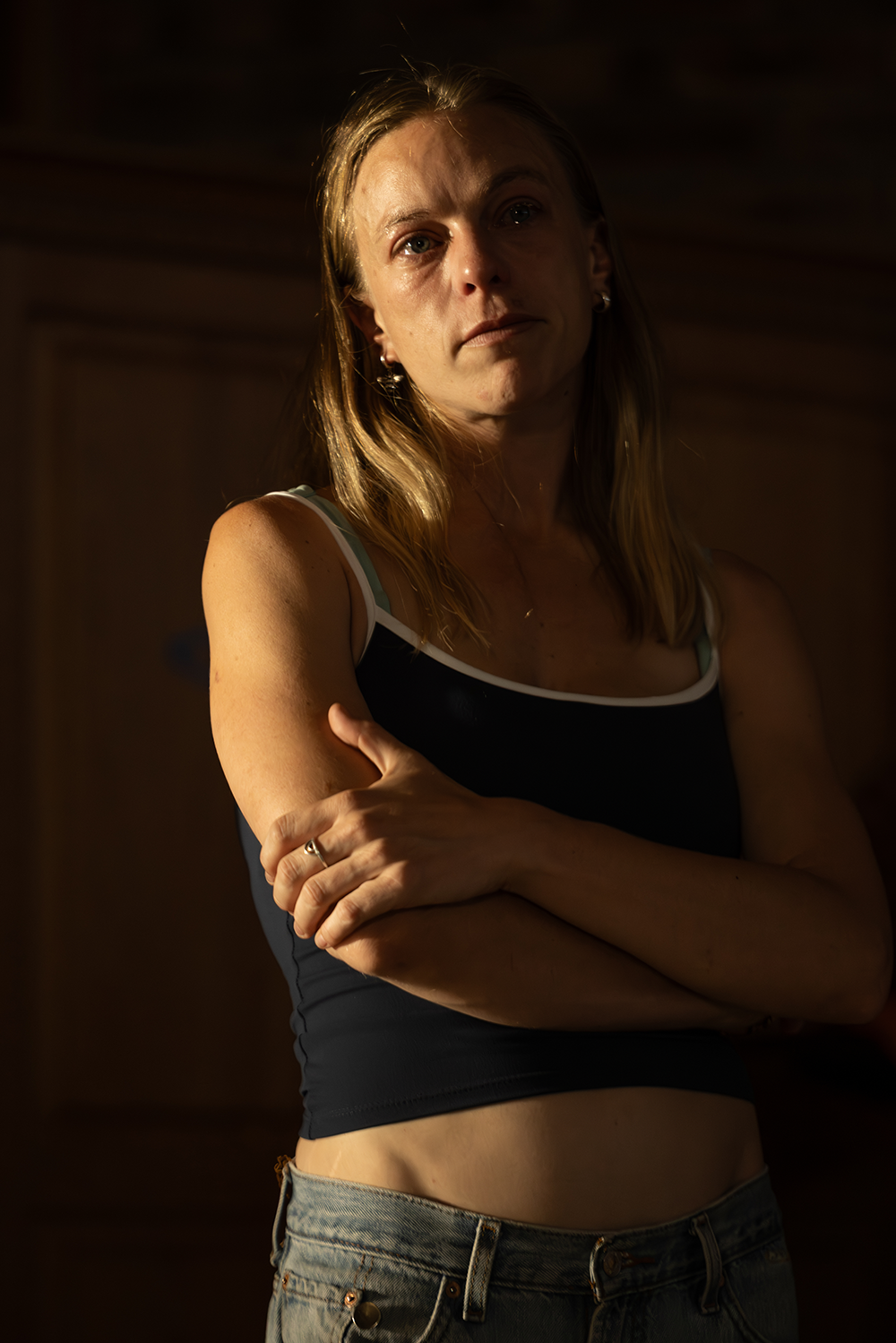
Lara (Anoecha Kruger), a former partner, is a spectator at the event. What should on the surface be a joyful occasion is, in reality, for the two women the formal confirmation that their close relationship is finally being buried. They desperately want to reach out to one another and say what cannot be said, but each must process her pain alone, maintaining the silence.
The writer-director duo Kanya Viljoen and Emilie Badenhorst are known as Unusual Bones. Their first short film, ekstasis (2021), won awards at the Cannes Young Directors Awards, the Joburg Film Festival (2021), and the Silwerskerm Festival in 2022. It was also screened at various other film festivals around the world. Their short film ’n Doop om stilte (2023) made its debut at the Silwerskerm Festival, where the duo won the awards for best director and best short film.
Questions for Kanya Viljoen and Emilie Badenhorst, directors and co-writers
Is there an under-representation of stories focusing on intimate relationships between women within the Afrikaans milieu? Why is this?
Yes, we definitely believe that intimate relationships between women are not seen in films or stories — and not only in Afrikaans, but across many languages and cultures around the world. Having said that, we know that Afrikaans culture is predominantly very conservative, with a history of “respectability” and “acceptability” that comes with it. What makes it so much more complex is the fact that much of Afrikaans culture has been built within a Christian faith, and within that faith, such relationships are often frowned upon. It does not mean that they do not exist, but that people are afraid of stories that do not look like their own. Especially because such stories can cause you to question what you yourself believe and what is considered worthy.
As ek kon kies touches on quite a few themes — and it begins, after all, in a church. Please elaborate.
One of the most important elements within the film was to be honest about how much contrast there is in life. How one can “belong” in both one’s faith and within one’s own sexuality. How a moment of your greatest joy can also contain a moment of your greatest sorrow. How one can be at peace with one’s choices, and yet still grieve over them. It is something we all know so intimately — that life consists of choices, but that does not mean it is always easy to make those choices.
It is an interesting title — because people can choose, and yet does society still dictate, and if so, how? Is there a message you wish to convey?
For us, it is less about your own choices and what society chooses for you — although that will always exist to some extent — and more about how you are not always certain about the choices you make. The title serves as an invitation to ask whether you can truly always “choose”. Or do you believe that you cannot choose? Would you choose differently if given the chance again? And are your choices always simple, or do they carry complex consequences?
Tell us more about your collective, Unusual Bones, and your ethos. How do you choose the projects you become involved with?
Unusual Bones was born from a desire to do things a little “differently”. Neither of us has formal training in film, but we knew that we believe in stories and how they can invite one to see things differently, to experience things differently — and also that the method of creation itself can look different. What is important to us as a collective is that projects touch something within us, that they are approached with honesty, and that a multiplicity of voices is engaged.
According to your website, you are currently working on your first feature-length film. Tell us more.
Indeed! In 2023, we created the short film ’n Doop om stilte for the Silwerskerm Festival. The short film’s theme and style served as the inspiration for our feature film. The film is set in a small mining town where a young girl, Isabel (15), slowly but surely loses her brother, Joshua (13), to adulthood and society’s expectations.
The film has come a long way, and we are so grateful that over the past two years we have been able to actively share it with international producers, markets, and agencies — which is slowly but surely helping to raise funds for the feature film. If everything remains on track, we will film it next year and audiences will be able to see it in cinemas later.