
Short film ‘Wag ’n bietjie’ is a wake-up call to start living
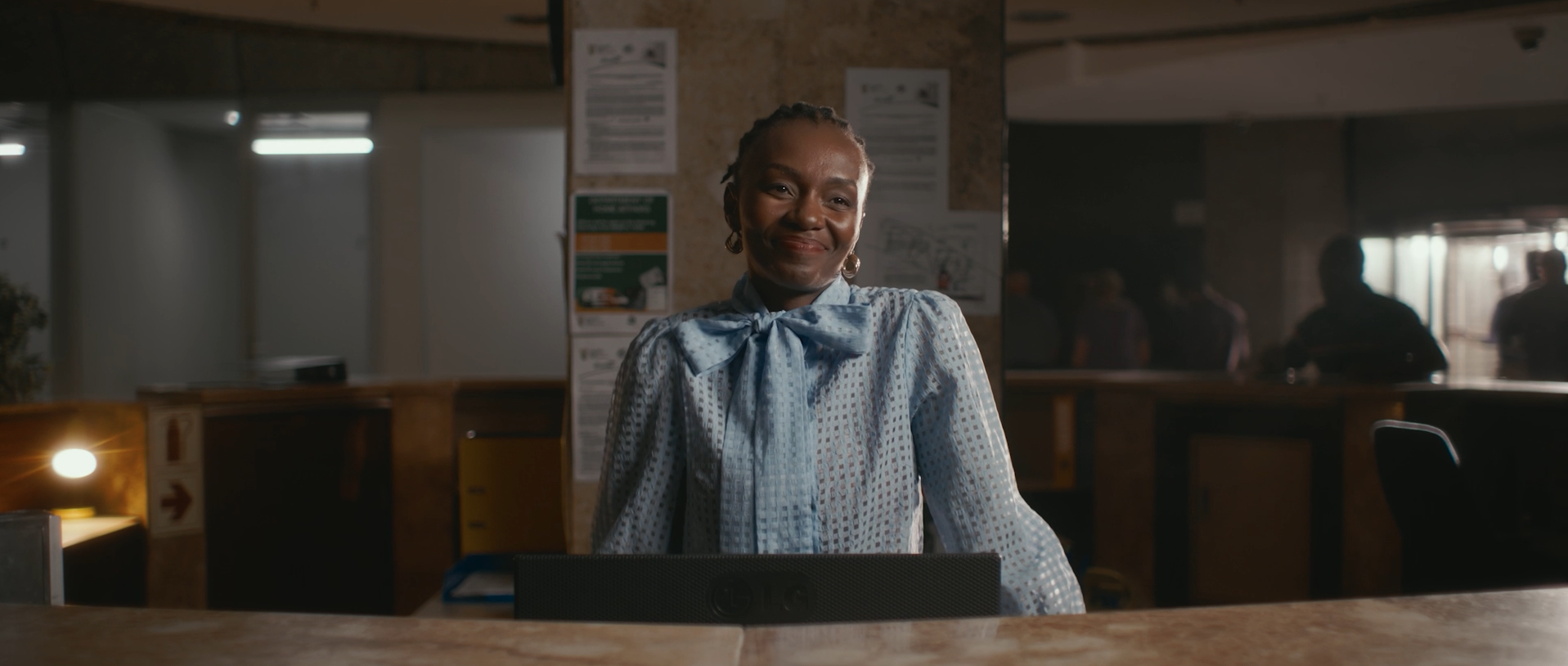
Waiting is terribly frustrating for most people. And for South Africans, standing in a queue is real torture. It is somehow completely different if that is how you earn your bread and butter – like a professional queuer who patiently (and for a fee) waits on behalf of others to handle tedious administrative tasks…
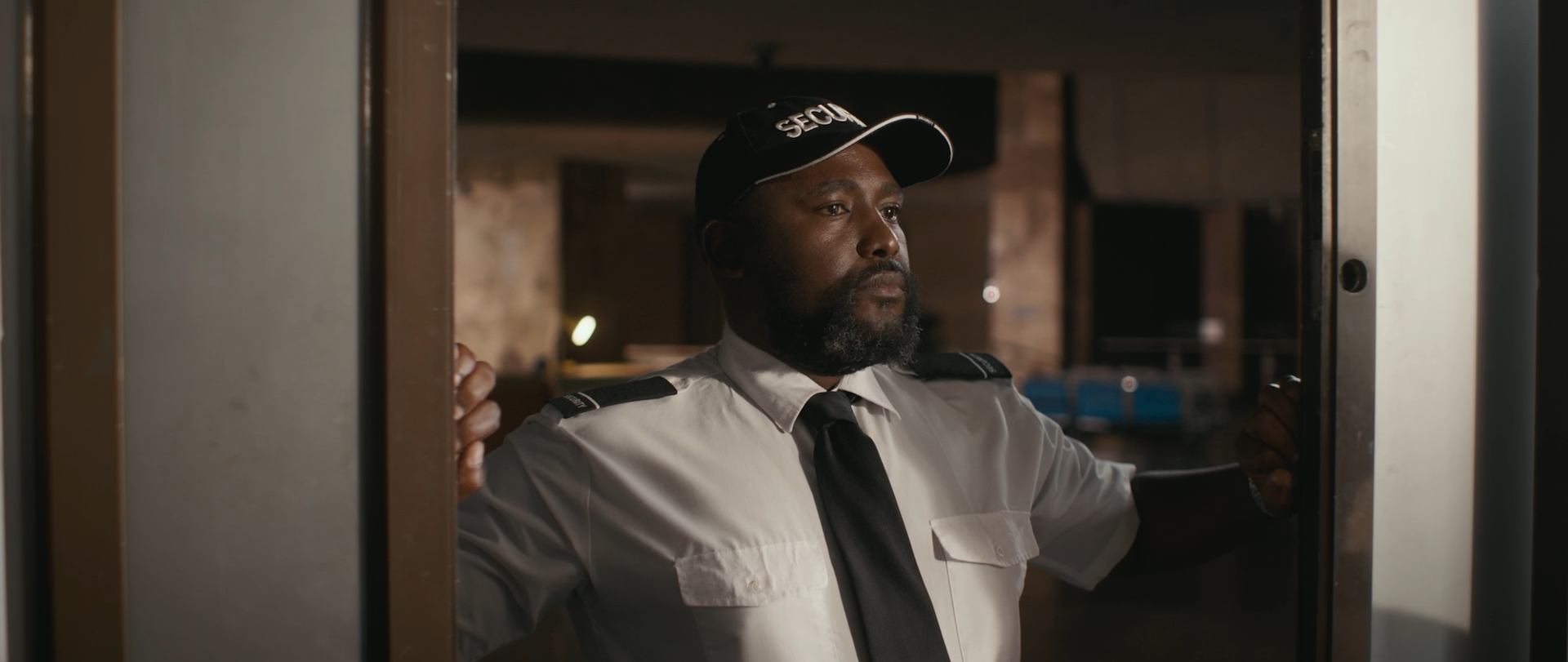
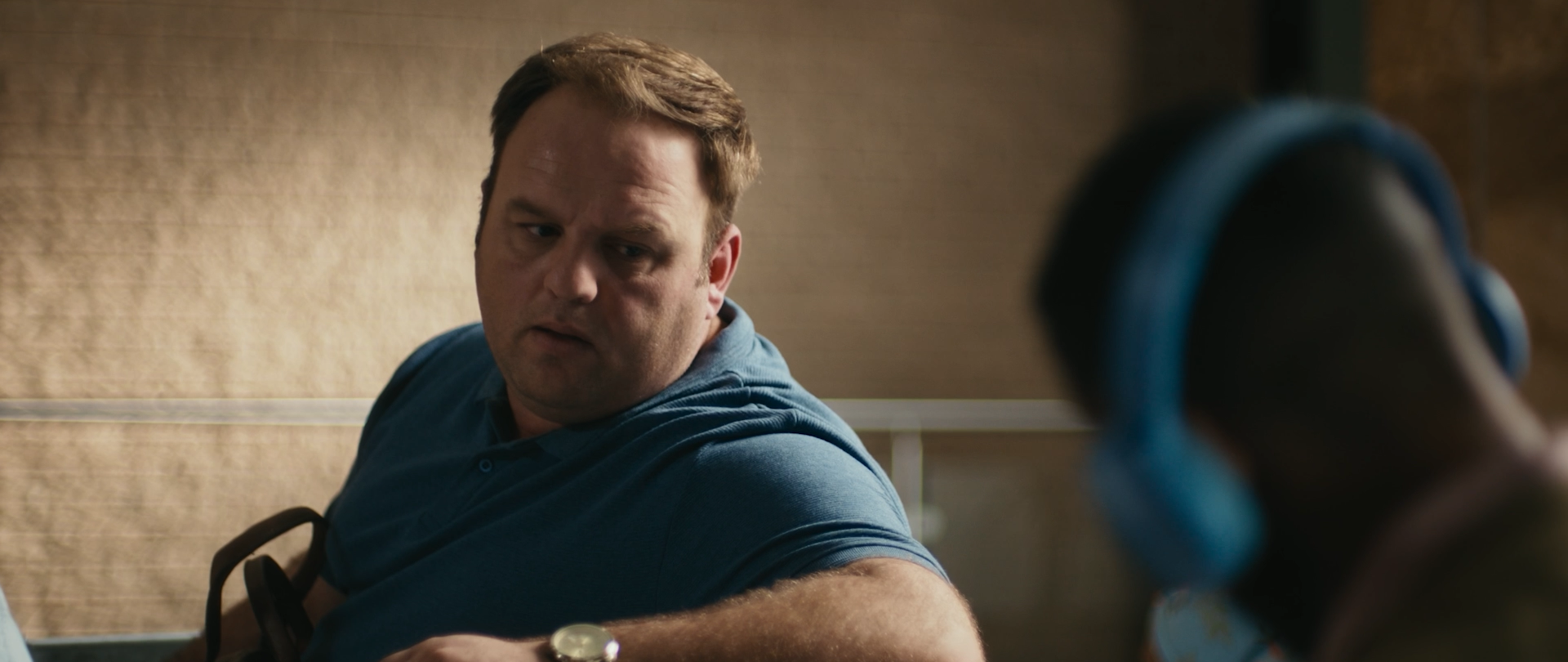
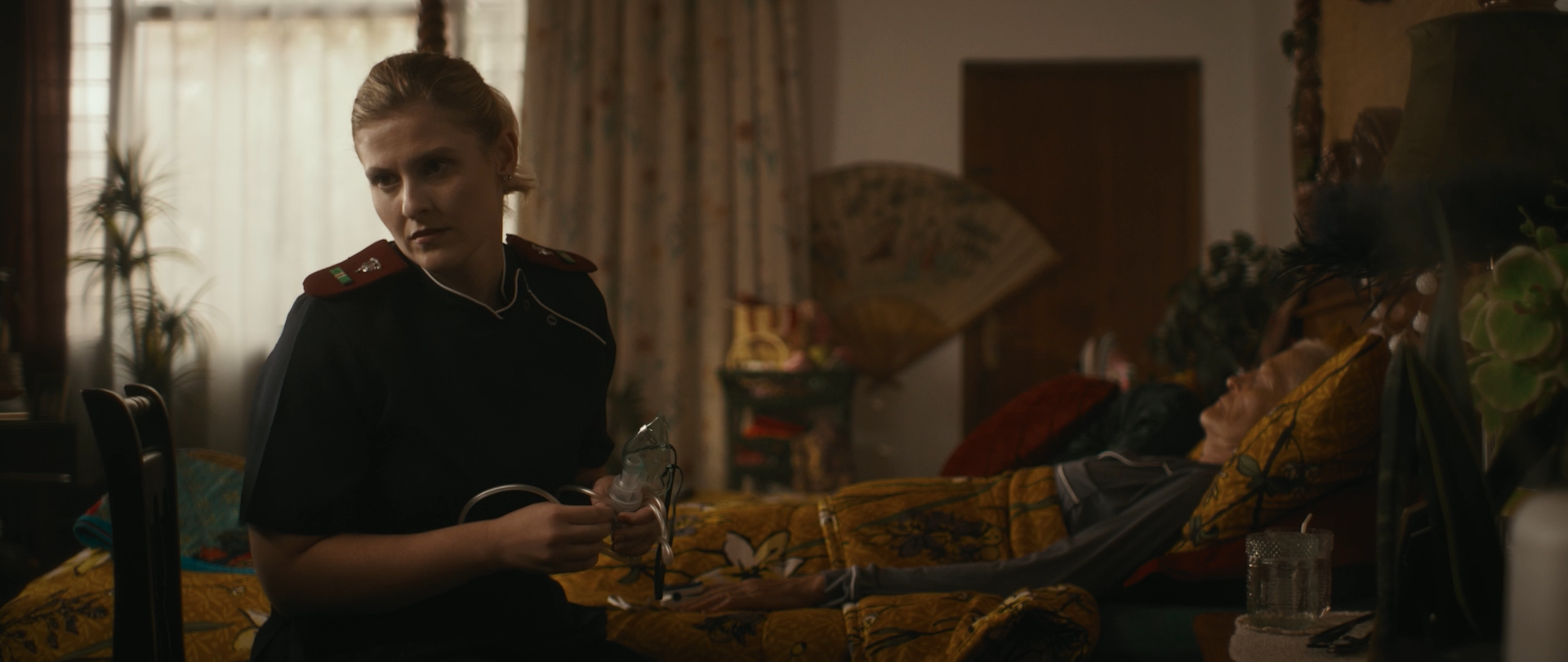
Lionel (Danny Ross) started doing it almost by accident, and then he just kept doing it, day in and day out. He is, in fact, a familiar face at government departments. One day he receives a peculiar request from a stranger (Germandt Geldenhuys) in the queue: to keep watch at his dying mother’s (Elzabé Zietsman) bedside until her final breath.
Christian Grobbelaar, writer-director of Wag ’n bietjie, which will debut at the kykNET Silwerskerm Festival, initially had a thriller in mind, but, inspired by his own grieving process, he created a deeply human short film that partly deals with a very familiar theme: death. The unique angle, however, gave him the opportunity to broach the theme differently, to play around with it and deviate from a clichéd approach. At the same time, he reminds us that we mustn’t put our lives on hold.
You’ve said your specialist genre is thrillers. Where did the idea for Wag ’n bietjie come from? Were you perhaps standing in a queue when you thought of it?
The idea originally started as a thriller, but my partner suggested I tackle the story without that genre lens. I was in the process of grieving for my mother, and this story became a form of therapy.
The puzzle of the story had so many fragments that finally fit together beautifully. I was listening to a grief podcast. What stood out for me was that some people were glad they were present during a loved one’s final moments, but for others it was traumatic. There was no right or wrong, and that kind of grey area was very interesting to me. Coincidentally, on the morning that Silwerskerm’s submissions opened, I read an article about a man who waits in the queue at Home Affairs on behalf of people. The idea that you could get someone to stand in for you during the most difficult waiting period of your life immediately felt like something I wanted to tackle.
Sitting vigil at a dying (unknown) woman’s bedside until she breathes her last sounds rather morbid, but Wag ’n bietjie is actually not. How important is humour in a film?
For me it was important not to view this as a very morbid narrative. The whole process is absurd. Hospitals, hospices, death – it’s all terribly uncomfortable and sometimes funny amid the sadness – and I wanted to capture that feeling. From the very beginning this story was a celebration of what it means to live, and how valuable life is. Although there are sad moments, there are just as many, if not more, lighter moments.
Tell us more about the process of creating the woman’s bedroom space, because originally there was just a bed. Who played which role in creating such a lived-in space?
I walked through this house during a location scout for another project, and the unusual architecture, warm tones and feel of the house stayed with me. Originally, I wanted an apartment, but as the story developed, I began to see more potential in a house.
Quite early in the process I went to my art director Rey Yates and said I want to tell this woman’s entire life story solely through props and how we furnish the house – and she immediately jumped in. We drew a great deal of inspiration from Samuel van Hoogstraten’s still lifes. I’m drawn to the way he can capture so much texture and humanity in a single painting simply by grouping everyday objects together.
Yes, the room had virtually nothing in it except that exceptional bed. But with all the wood textures and the mid-century character, I knew it would help us enormously – especially on a limited budget. Elzabé was also very generous with a collection of photographs spanning from her childhood to the present. So, Rey and her team covered that room from corner to corner with all sorts of bits and pieces. You could open any drawer and it was crammed.
The goal was to tell her whole story through the set, and I think that’s exactly what we did.
Tell us more about your concept of time as a theme. Do you hate waiting? How do you fill your hours?
Ha – I don’t hate waiting, especially if I know there’s an end in sight. It’s the not-knowing that makes waiting so painful. I wanted to tell a story that tackles the idea of waiting, because I think, on some level, we’re all waiting for something. We wait for that promotion, we wait for the right opportunity, until we retire, until we’ve paid off that house – we wait for better days. If we keep waiting for something to happen that will change everything, one of two things will occur: that moment never comes, or it does, but life goes on regardless. It’s easy to say ‘stop waiting, life is short’, but to truly make the effort to enjoy your life is very difficult.
I try to fill my hours with a little more intention. I enjoy a walk to the coffee shop instead of driving. I enjoy a film, because I can be without my phone for two hours. I enjoy a good thriller book, an evening with friends around the dining table, and I enjoy exploring the world. I think we try to stay connected all the time to the extent that we increasingly struggle to simply be present and enjoy the world around us. I feel every day is a battle against the attention thieves in my pocket.
One shouldn’t get so caught up in the day-to-day business of life that one misses all the magic and wonder. Life can’t just be about work and sleep. I read a book that referred to the concept of ‘memory dividends’ – making memories earlier and enjoying them for longer. It’s something I think about constantly.
If you had all the time in the world to make a film (an ample budget and a deadline that doesn’t rush you), what film would you prefer to make?
Wow, at this stage my dream project is a large-scale thriller. I’ve had the idea for a long time – it’s about men’s relationship with food and their bodies. It’s one of those ideas that simply won’t let me go, so I feel the only way to unchain myself is to make it a reality. So, any investors keen to put money into food-demons… give me a ring.
What scares you?
As I get older, I’m confronted with new fears. I think psychological fears have been surfacing more lately – like drifting away into space, the concept of eternity and large bodies of water. I firmly believe that anything can frighten someone with enough imagination: so, give me a bag of things, a camera and an actor, and I’m sure we can give you goosebumps.