
Duo pays tribute to the Cape and her people with film adaptation of Marita van der Vyver’s ‘Al wat ek weet’
With the adaptation of Marita van der Vyver’s young adult novel Al wat ek weet, the award-winning filmmaker duo Devon Delmar and Jason Jacobs have not only departed from their focus on original stories, but have also shifted from the rural setting to the city – specifically Cape Town.
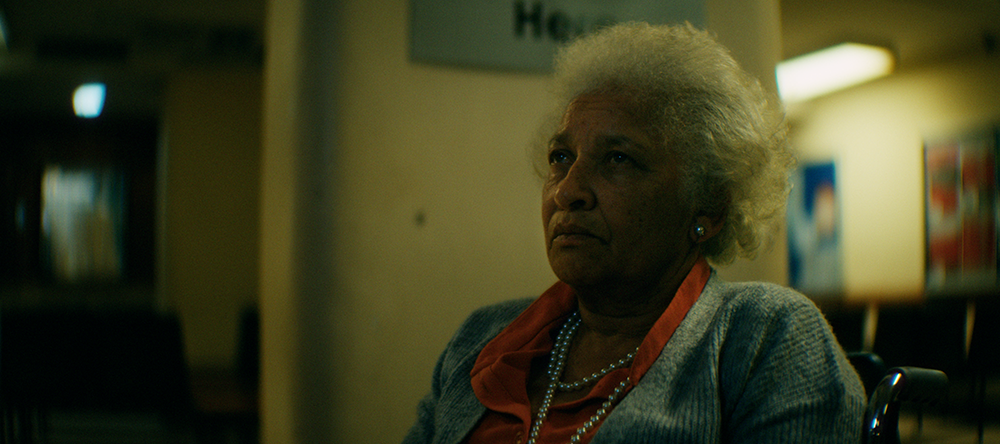
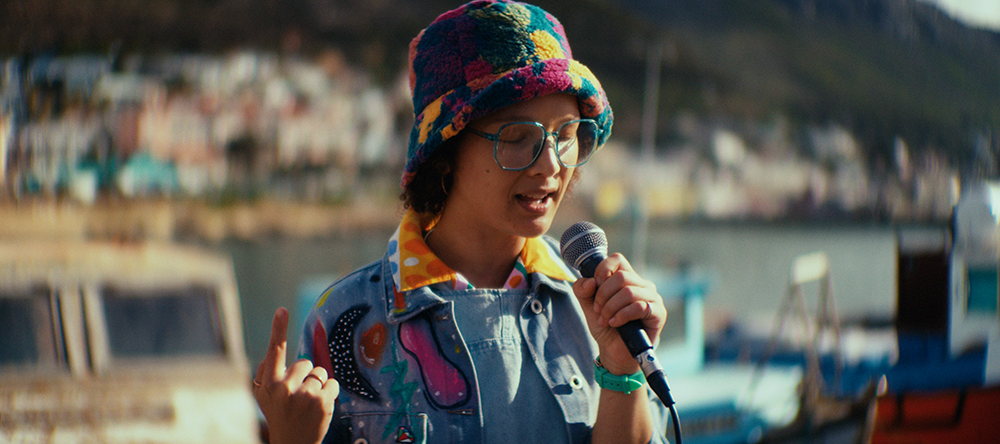
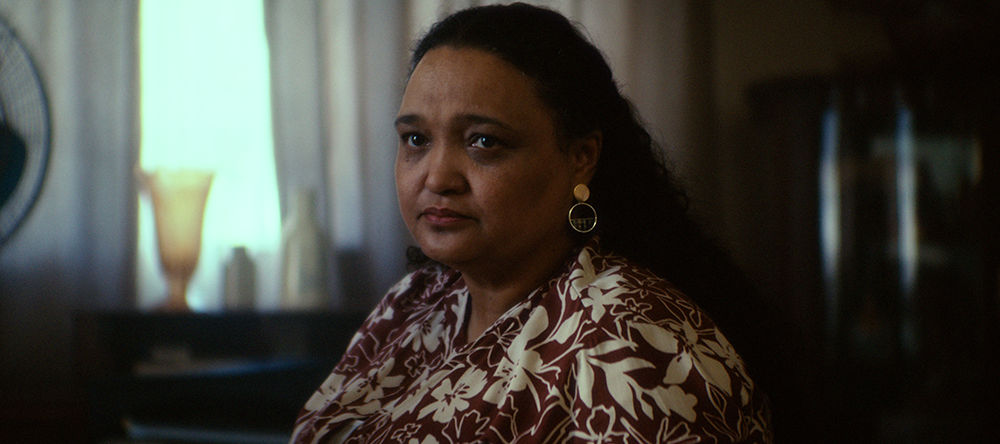
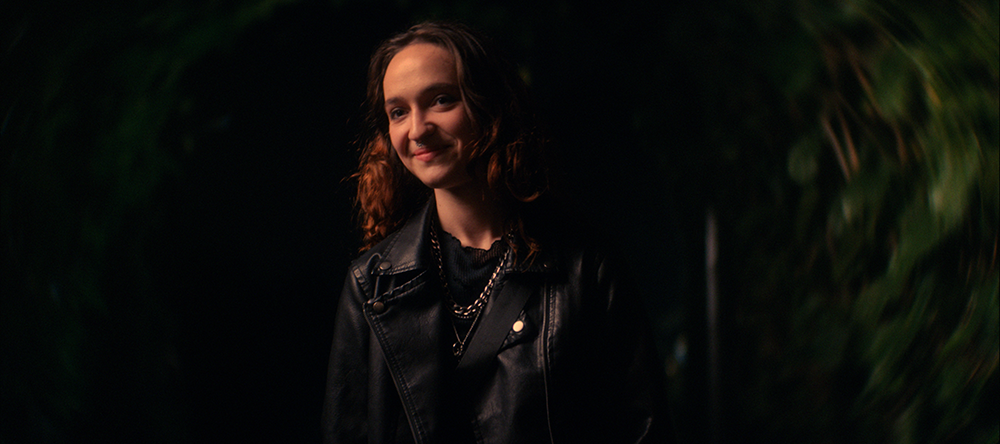
After the death of his mother, teenager Gabriel (Jonan Mouton) lives with his aunt Lotta (Zenobia Kloppers) and grandmother Lenie (June van Merch) in Springfield Terrace in Woodstock. Due to his attitude, he pushes people away, and in therapy he suppresses his grieving process by focusing on fantasies instead. His life veers in a new direction after he meets Sasha (Antoinette Myburgh). To impress her, he decides to enter a national poetry competition – now he just needs to write the poems…
Al wat ek weet is the duo’s third feature film. The others are the award-winning Carissa and Variasies op ’n Tema, which will also be screened at this year’s Silwerskerm Festival, taking place in Cape Town from 19 to 22 August.
Questions for Devon Delmar and Jason Jacobs, co-screenwriters and co-directors
Your previous two feature films are original or personal stories – what made you decide to adapt and film Marita van der Vyver’s young adult novel?
Our previous films are original stories inspired by the communities of Wupperthal and Kharkams and their personal and everyday lives – their outlook on life. The shift towards more commercial and existing fiction (in this case Marita’s book) was a natural one, but it also carries a strong community element in that we worked intimately with the Springfield Terrace community in Woodstock.
In the young adult novel, what struck us most was Gabriel’s journey: from being grief-stricken to starting over. Things get very dark for him near the end, but there is also hope. Laughter and tears go hand in hand. We also see a great deal of ourselves in him, especially because we were just as stubborn as teenagers who struggled to talk about our feelings. We hope younger men will identify with it. Even today, we do not create enough safe spaces for teenagers to be honest about what is really going on in their hearts.
What are the most important themes of Al wat ek weet? The book is prescribed for high school learners, but you believe the story should resonate with a wider audience. Please elaborate.
There are themes and ideas around identity, growing up, broken families, and the challenges of young love – themes that high school learners will understand and relate to. For our older audiences, there is the message of hope for healing – that it is indeed possible.
The novel and film dive headfirst into many uncomfortable issues affecting today’s young urban people: crises of masculinity, mental health, class, race, grief, and sexuality. All these themes play out against the backdrop of a modern South Africa amidst the confusion in which we find ourselves today.
It is also a celebration of our colourful nation, and we hope the film will encourage us to stand together and make us realise we are not so different from one another. Many of us know the pain of losing a mother, how difficult it can be to care for grandparents, as well as the cost of reconciliation and forgiveness.
In essence, it is a family drama – told with delicate sensitivity, warm humour, and magical elements – about people we all know and love.
It is a shift from a rural setting in the previous films to the city – specifically Woodstock in Cape Town. Was it a major adjustment?
In the rural areas you have the advantage of a more focused production on set, but the disadvantage of important resources not being readily available. The process of filming in the city was a major learning curve, but with the experience of Annemarie du Plessis and Meria Productions as the producer and production company, everyone’s interests were taken care of.
We work as a “team”. We are willing to challenge ourselves on many levels in what is needed to convey stories successfully and honestly. We always place our complete trust in our actors, because they are the ultimate driving force and carry everyone’s intentions at heart.
What is it like to work so closely together? How do you approach the writing process – do you sit at the same table? And with directing – is it by consensus? Do you ever disagree?
We share the responsibilities as co-authors and co-directors. Eight years – barely two short of a decade – we have been continuously and respectfully building trust and certainty in each other.
With every project we have to learn anew how to write – every world we step into is a new one, and it is almost as if we have to learn how to work together from scratch for every new story. Almost seasonally. That is the joy and the wonder of it. We are still learning how to work together, and that is why it is important to keep going. It is difficult to explain what our methods are, because every time we must approach the process with humility. And every process is unique, although there are similar elements we apply whether writing or directing. It is magical, even for us, given our excitingly different backgrounds and upbringings. All we can say with any certainty is that there is a kind of cosmic alignment that keeps growing in the way we do our thing – and what an honour and privilege it is, especially in today’s times.
Jason, you were the National Arts Festival’s Standard Bank Young Artist for theatre in 2026, where you presented the production Kraal. How important is theatre work to you? And what can you say with it that you cannot say with film?
It is a great honour for me to still be able to do theatre work and to intentionally produce stories about my people for the stage. It also offers you the opportunity to develop something over a longer period of time.
Kraal already made its debut at the Woordfees in 2022, where I was able to work with my father. After my father’s passing, I fell – like Gabriel – into a deep emotional dark place, and for a long time I could not touch my own stories. But time heals, and theatre gives one the chance to work through one’s grief slowly and with dignity. Kraal has grown to such an extent that we were able to conceive three new creations: a new version of the one-person show, the construction of an indigenous mat hut, and the development of a short documentary honouring aspects of the Kamiesberg heritage.
Theatre gives you more freedom to think outside the box, but the most important element is how theatre and stories can bring a live audience closer to one another in a more intimate way. Theatre also means a great deal to the people who create it – because the story stays with you for years.
I am excited about the future of theatre, even though I am still a newcomer when it comes to the stories about the identity and heritage of the Kamiesberg and Namaqualand that I still want to tell.
What lies ahead for the Kraal team (the production company)? Do you have some big dream?
Kraal is a movement towards more inclusive stories that connect us all with one another. We are guided by our intuition and we keep listening to the stories that are carried on the wind.
Anything else you would like to share with viewers?
Al wat ek weet pays homage to the colourful personalities of us as people – people full of heart, pride and passion. Benjamin Jephta’s original soundtrack, inspired by the Cape Minstrels and his own jazz language, will stay with audiences for a long time. The film handles serious themes with sensitivity, but it is also full of fun and humour – and it is our love letter to Huri ǂOaxa (Table Mountain) and the people she protects.